Bay Area / Sacramento
Tahoe dominates the destination layer, but Bear Valley, Dodge Ridge and the central Sierra make regional products more relevant than national resort counts suggest.
Epic · Ikon · Indy · Cali Pass
West ski passes · 2026–27
Tahoe, the Eastern Sierra, Southern California, the Pacific Northwest and Alaska reward very different access patterns. The useful pass starts with the mountains you can actually return to.
One coast. Several winters.
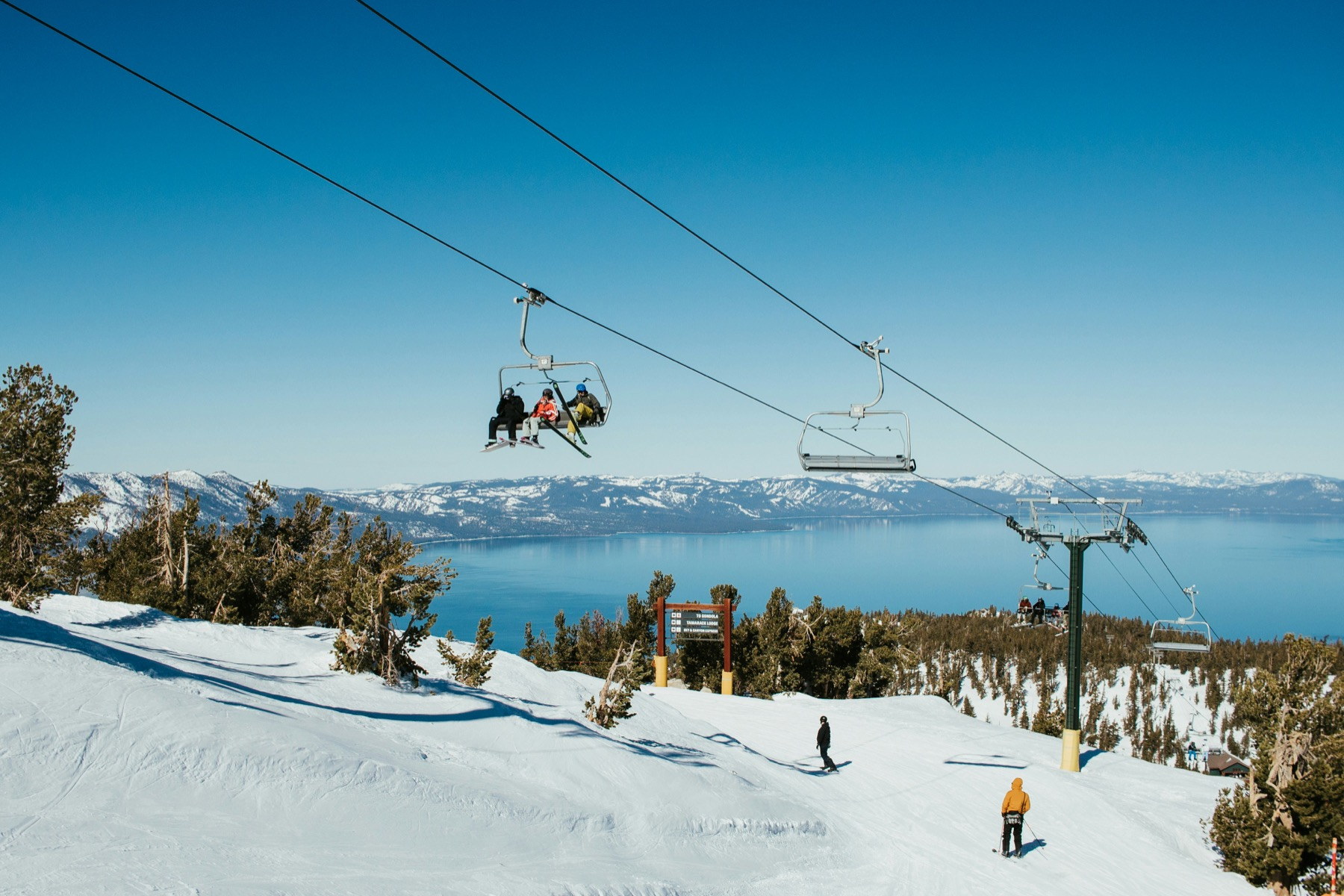
The western split
For PassTracks, the West means California, Nevada, Oregon, Washington and Alaska.
Tahoe and Southern California are not the same pass market. A Bay Area skier may organize a winter around competing Tahoe systems and central-Sierra weekends. A Los Angeles skier is balancing nearby laps against longer Mammoth trips.
Seattle and Portland create another set of useful mountains, roads and pass combinations. Alaska is distinct again: Alyeska and the state's independent areas deserve more weight than distant Lower 48 destinations when most ski days stay in-state.
Resort count becomes especially misleading across thousands of coastal miles. A smaller network that follows the roads someone actually drives can outperform a much larger western map. This guide separates repeat access from destination travel and starts with the western winter the skier can realistically use.
Start with where you leave from
Tahoe dominates the destination layer, but Bear Valley, Dodge Ridge and the central Sierra make regional products more relevant than national resort counts suggest.
Epic · Ikon · Indy · Cali PassHeavenly, Northstar and Kirkwood sit on Epic; Palisades Tahoe and Sierra-at-Tahoe pull toward Ikon. Indy adds a smaller-mountain layer. Compare current Epic and Ikon tier restrictions in our 2026/27 ski-pass market analysis.
Epic · Ikon · IndyBBMR Anytime gives frequent Southern California skiers unlimited access to Bear Mountain, Snow Summit and Snow Valley. Ikon covers those same local mountains while extending north to Mammoth; Cali Pass and Indy bring Mountain High into a different regional network.
BBMR Anytime · Ikon · Cali Pass · IndyLee Canyon makes regular skiing possible without leaving southern Nevada, while Power Pass connects those local days to a broader Southwest and Rockies network.
Power PassA winter centered on Mammoth and June is structurally different from a Southern California season. Ikon becomes the primary multi-resort system.
IkonStevens Pass anchors Epic, while Crystal and Snoqualmie create a different Ikon network. Indy adds White Pass, 49 Degrees North and other independent options.
Epic · Ikon · IndyMt. Hood Fusion can cover a large share of a Portland skier's regular winter with unlimited Timberline and Skibowl access. Indy adds more Oregon variety, while Ikon becomes relevant when Mt. Bachelor is part of the season.
Mt. Hood Fusion · Indy · IkonMt. Bachelor makes Ikon central; Hoodoo gives Indy a smaller regional layer.
Ikon · IndyAlyeska anchors Ikon's Alaska access, while Indy reaches a broader network of smaller Alaska ski areas.
Ikon · Indy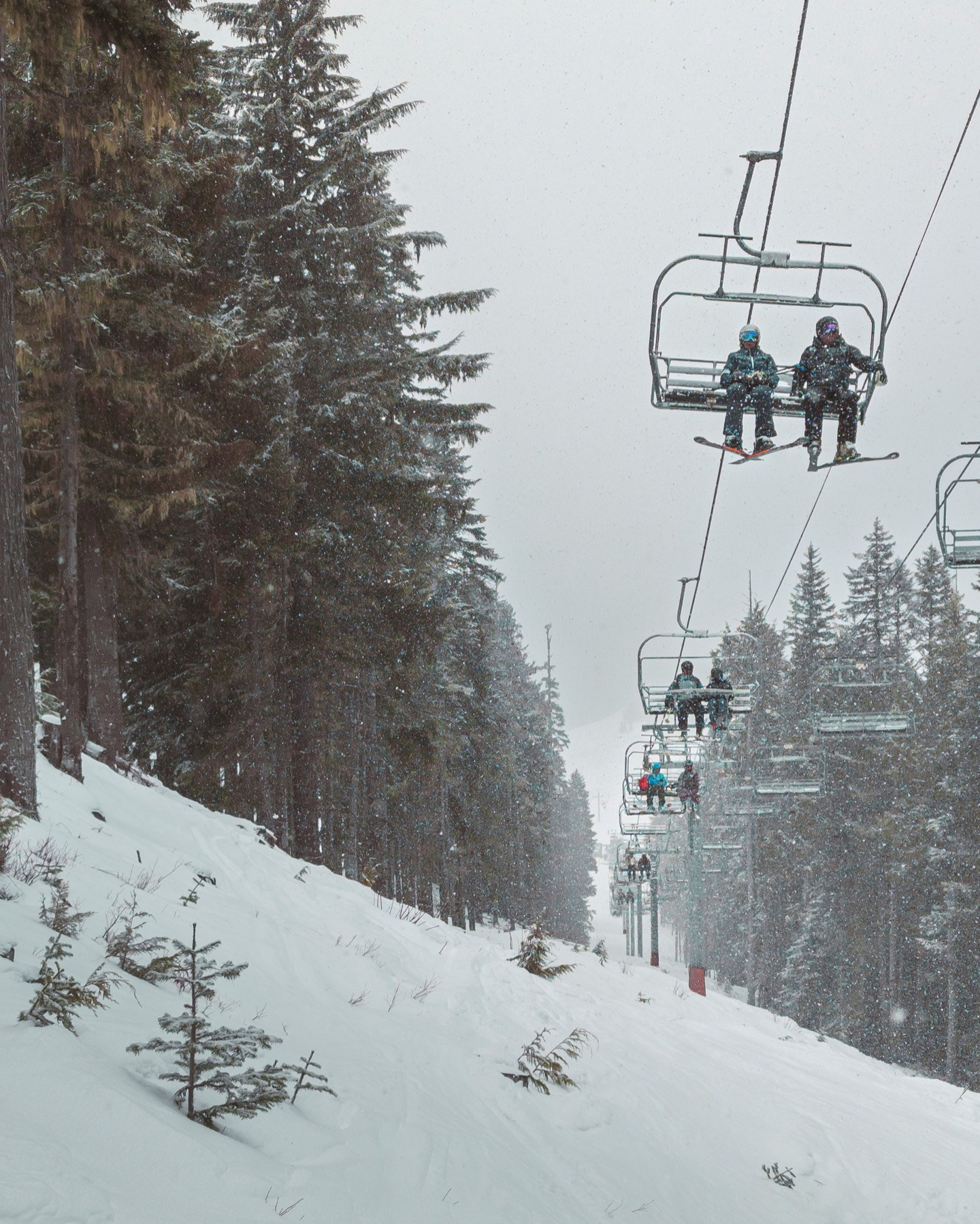
What to know for 2026–27
Four California core mountains provide unrestricted access, while 14 additional winter destinations add three days each. Cali Pass is now more than a four-resort season product.
The 2026–27 college product includes unlimited access to the four core Cali Pass mountains. Crew pricing can reduce the price, while Powder Alliance access is excluded.
The western independent network continues to matter. Current PassTracks status: sold out / waitlist. Confirm live availability before relying on it.
The 2026–27 product covers 36 California and Nevada downhill and Nordic resorts with transferable, unlimited, no-blackout access. It is a specialty product, not a normal consumer-pass peer.
PassTracks rankings
Existing order, scores, statuses, facts and review links are preserved from the current dataset.
Unlimited regional pass
Includes three days at Powder Alliance resorts.
Unlimited regional pass
No blackouts at the three Southern California resorts.
Transferable statewide pass
Transferable, no blackouts, and no reservations.
Two-mountain season pass
Current official store still displayed 2025/26 terms when reviewed.
Season pass family
Full, local, regional, and day-pass products.
Season pass family
Full and Base products with resort-specific limits.
Limited-day pass
Indy+ removes blackouts.
Destination sampler
No blackouts; 50% off additional days.
The passes the big comparisons miss
Unrestricted access at four California core resorts plus limited partner days can fit repeat-use mountains outside Epic and Ikon.
Read the review →For Portland-area skiers, unlimited Timberline and Skibowl access can solve the local season before a national pass enters the conversation. Powder Alliance benefits add a broader travel layer.
Read the review →For frequent Southern California skiing, BBMR Anytime covers Bear Mountain, Snow Summit and Snow Valley without requiring the wider Ikon network.
Read the review →Lee Canyon and Willamette Pass connect western local access to a broader Southwest and Rockies network.
Read the review →Independent access across California, Oregon, Washington and Alaska creates an unusually practical western layer.
Read the review →A sold-out, high-end transferable product with unlimited, no-blackout access across 36 California and Nevada resorts.
Read the review →How to read the rankings
Start with the mountains you expect to use repeatedly. Then add the longer trips you already know are part of the season. A large western network is only useful when its destinations line up with the weekends you will actually take.
If most weekends end at Heavenly, Northstar or Kirkwood, that is a different winter from one centered on Palisades.
Big Bear, Snow Valley and Mountain High can solve nearby skiing. Count Mammoth trips separately instead of letting one destination determine the purchase.
Stevens, Crystal and Snoqualmie are close enough to shape a season while belonging to different pass systems.
If most ski days stay in-state, Alyeska and Alaska's independent areas deserve more weight than distant destinations visited once.
West pass FAQ
The answer changes by market. Epic is strongest where Heavenly, Northstar, Kirkwood or Stevens Pass anchor repeat skiing; Ikon connects Palisades Tahoe, Sierra-at-Tahoe, Mammoth, June, Crystal, Snoqualmie and other western destinations; Cali Pass, Mt. Hood Fusion, BBMR Anytime, Power Pass and Indy solve more specific regional patterns. Start with the mountains you can repeat, then add trips that are genuinely part of the season.
Epic covers Heavenly, Northstar and Kirkwood with unlimited access on full Epic; lower tiers may carry holiday blackouts or allocation rules. Ikon provides seven days each on full Ikon or five with Base blackouts at Palisades Tahoe and Sierra-at-Tahoe under the current structure. The useful choice follows the Tahoe side and mountains you will repeat.
Epic serves its Tahoe network of Heavenly, Northstar and Kirkwood, while Ikon serves Palisades Tahoe and Sierra-at-Tahoe. Cali Pass provides unrestricted Bear Valley, Dodge Ridge, China Peak and Mountain High plus current partner days, and Indy adds participating independent mountains. Bay Area and San Jose skiers should separate frequent central-Sierra drives from Tahoe destination weekends.
BBMR Anytime provides unlimited access to Bear Mountain, Snow Summit and Snow Valley. Ikon covers those three and adds Mammoth and June for Eastern Sierra trips; Cali Pass and Indy make Mountain High part of separate regional networks. Choose based on whether Big Bear repetition, Mammoth and June trips, or Mountain High days will dominate the winter.
Epic centers on Stevens Pass for repeat access. Ikon connects Crystal Mountain and The Summit at Snoqualmie under destination-specific day allocations, while Indy adds independent options such as White Pass and 49 Degrees North under its current roster. The choice turns on which corridor supplies normal ski days, not which national map is larger.
Mammoth Mountain and June Mountain are Ikon destinations. Full Ikon provides unlimited access at both under the current structure, while lower Ikon tiers may carry restrictions. That makes Ikon the primary multi-resort system for an Eastern Sierra winter centered on Mammoth and June.
Cali Pass includes unrestricted access at Bear Valley, Dodge Ridge, China Peak and Mountain High, plus three days each at its current partner destinations. It is especially relevant to Bay Area/San Jose, Central California and Southern California drivers whose frequent mountains sit outside the core Epic and Ikon Tahoe system.
It is a transferable, unlimited, no-blackout product covering 36 California and Nevada downhill and Nordic resorts. Its scarce allocation and transferability make it a premium group-use product rather than a normal household pass; the 2026–27 allocation is currently sold out.
The current PassTracks state records Indy as sold out or waitlist. Existing holders receive limited visits across participating independent mountains in California, Oregon, Washington and Alaska; prospective buyers should verify current sale or waitlist status directly.
Ikon includes Alyeska with access determined by Ikon tier. Indy reaches a separate independent Alaska network under its current roster, with limited visits rather than unlimited access. Ikon is the Alyeska-centered option, while Indy better fits a winter built around multiple smaller independent areas.
Full Power Pass includes unlimited, no-blackout access at Lee Canyon near Las Vegas and Willamette Pass in Oregon as part of its 10-mountain U.S. network. The same product extends into the Southwest and Rockies through mountains such as Purgatory, Brian Head, Nordic Valley, Sandia Peak, Sipapu and Pajarito, plus partner days at Monarch, Sundance and Loveland.
The western rule