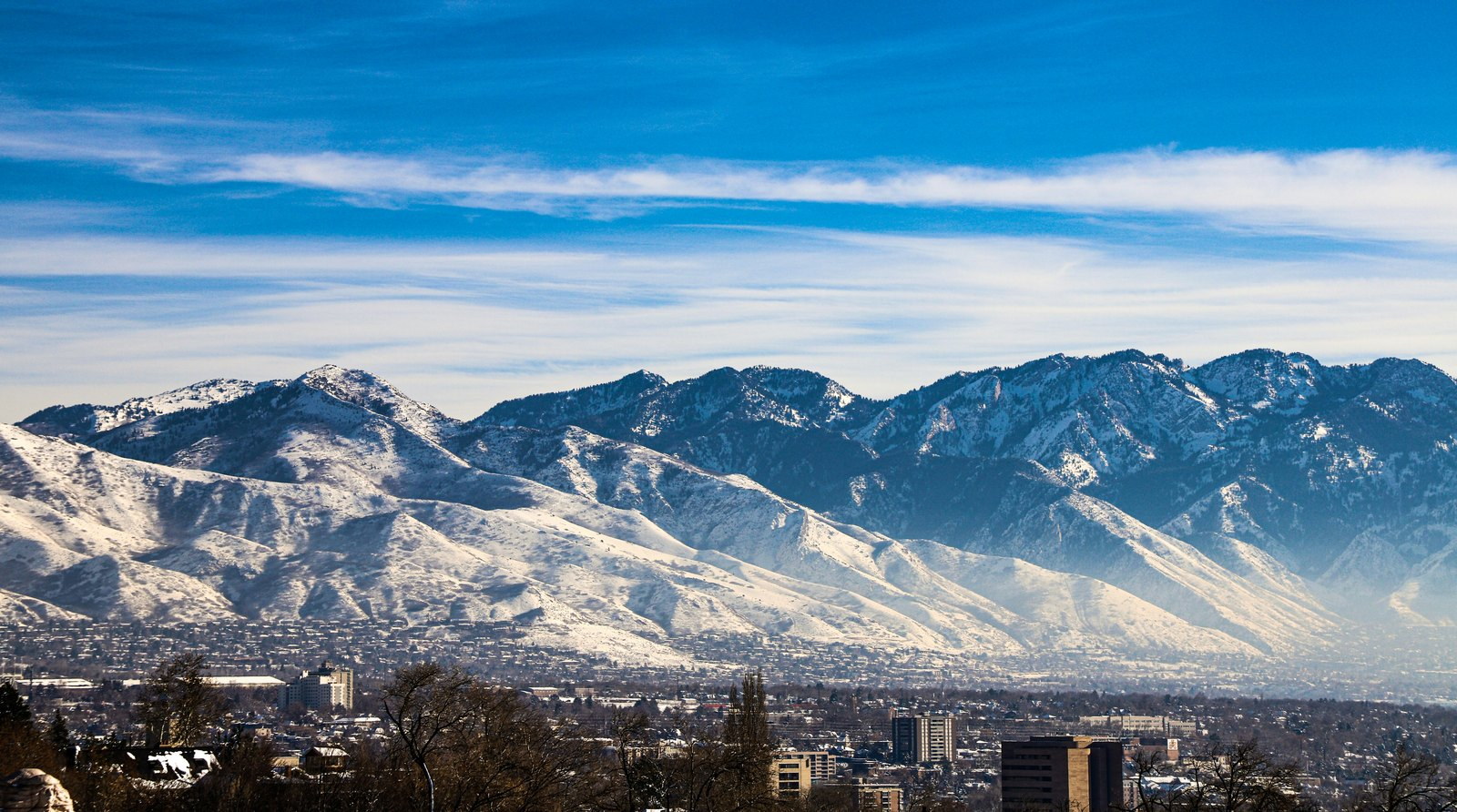
Salt Lake City beneath the snow-covered Wasatch Mountains.

UTAH · SALT LAKE CITY / COTTONWOOD CANYONS

Ski bus or rental car for Alta, Snowbird, Brighton and Solitude?

The car gives you control until the canyon takes it back.

Photo: Ji Yong Won / Unsplash

On a clear midweek morning, a properly equipped rental car can be the simplest way to the Cottonwoods. On a storm day or peak weekend, that same car can become a traction-law check, a parking reservation and a very expensive seat in a line of brake lights.

The ski bus does not magically bypass canyon weather or closures. It does remove two problems from your lap: driving the canyon and finding somewhere to put the car.

For many travelers, the smartest answer is not bus or car for the entire week. It is knowing when to use each.

SHORT ANSWER

The short answer

Take the ski bus

Best when the canyon is the problem.

Choose transit when snow is falling, parking is uncertain, your rental vehicle is not unquestionably traction-law ready, or you're skiing busy weekends and powder days. It is especially compelling if your trip is focused on Alta, Snowbird, Brighton and Solitude and your lodging makes a ski-bus stop or park-and-ride easy to reach.

Drive

Best when the day — or the rest of the trip — needs flexibility.

A car makes sense on clear, quieter ski days when you have a properly equipped vehicle and a parking plan. It is also useful off the mountain. Salt Lake is spread across a large valley, and the lodging that puts you near a Cottonwoods bus stop may not put you near the restaurant, supermarket or neighborhood you want that evening. A car gets more attractive with young kids, lots of gear, errands, dining plans or skiing beyond the Cottonwoods.

Use both

For a lot of visitors, this is the best answer.

Rent the car for the airport, groceries, restaurants and everything else you want to do around the Salt Lake Valley. Then leave it at the hotel or a park-and-ride when snow, traction restrictions, canyon traffic or parking make the ski bus the smarter way up.

That is not paying for a car you failed to use. It is separating two different transportation problems: getting around Salt Lake and getting up the Cottonwoods.

A car can be the right tool in the valley and the wrong tool in the canyon on the same day.

THE VALLEY IS PART OF THE DECISION

The valley is part of the decision

Salt Lake is not a compact ski town where the lifts, restaurants, supermarket and hotel are all within a few blocks. The valley spreads across distinct neighborhoods and suburbs. Downtown has the strongest concentration of restaurants, bars and entertainment, while ski-oriented lodging may put you farther south or east in places such as Cottonwood Heights, Midvale or Sandy to improve canyon access.

That creates a tradeoff the usual bus vs. rental car question misses. Stay close to a canyon bus pickup and you may make the ski morning easier while making dinner, groceries or exploring another neighborhood less convenient. Stay downtown for restaurants and nightlife and you may create a longer connection to the ski bus.

A rental car solves much of that valley problem, even if you decide not to drive it into the canyon.

The useful question is not simply “Do I need a car to ski Alta?” It is “Do I want a car for the rest of Salt Lake?”

UTA's bus and rail network can cover plenty of city trips, and downtown has its own useful transit connections, but transit convenience depends heavily on where you are staying and where you are going. Salt Lake does not function like a walkable resort village.

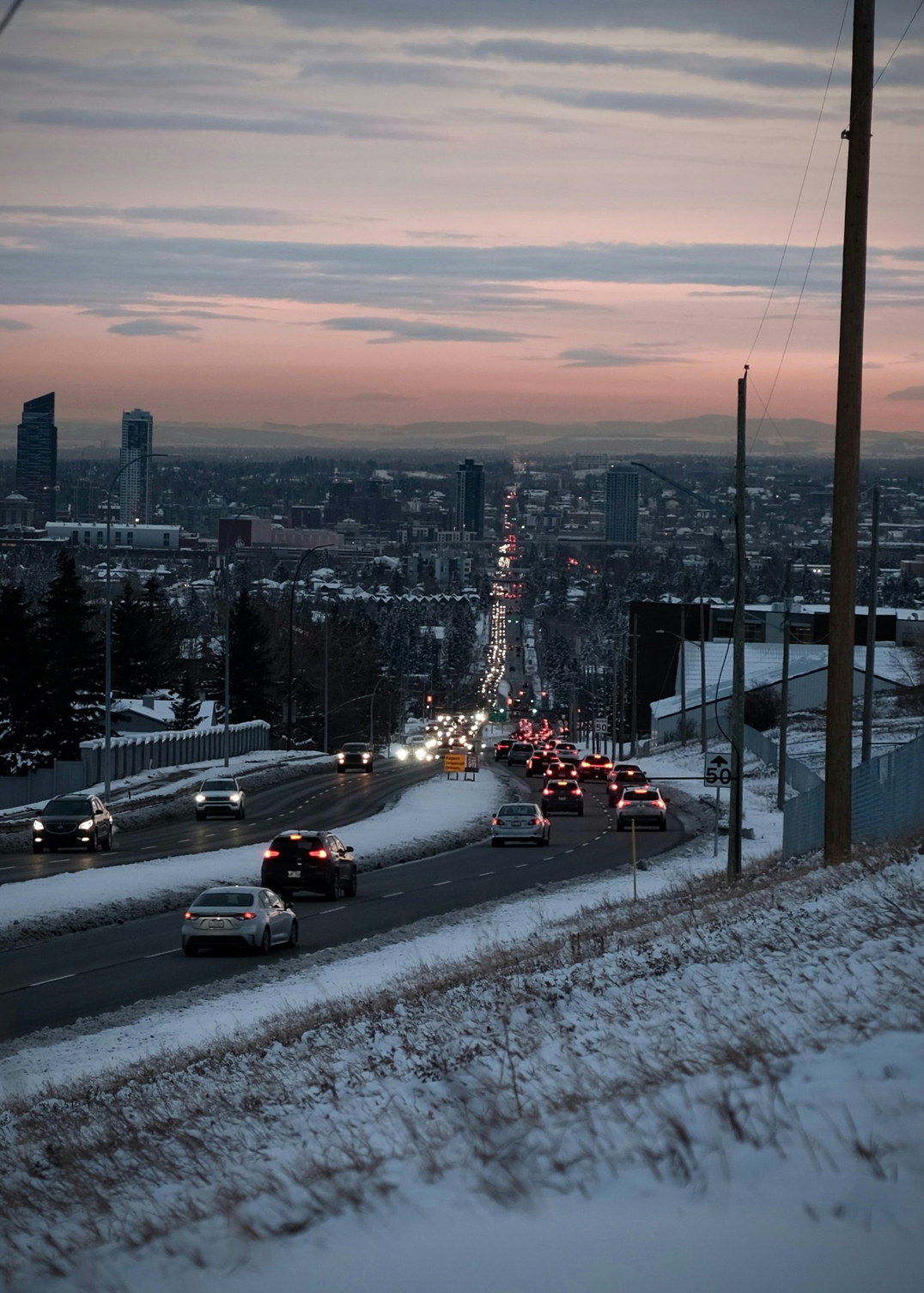
Cars traveling through a snowy city at dusk.
Photo: Kris Tian / Unsplash

FIRST, KNOW WHICH CANYON YOU'RE SKIING

First, know which canyon you're skiing

The four Cottonwood resorts are split between two dead-end canyon roads. That matters because the bus routes, parking systems and road conditions are different.

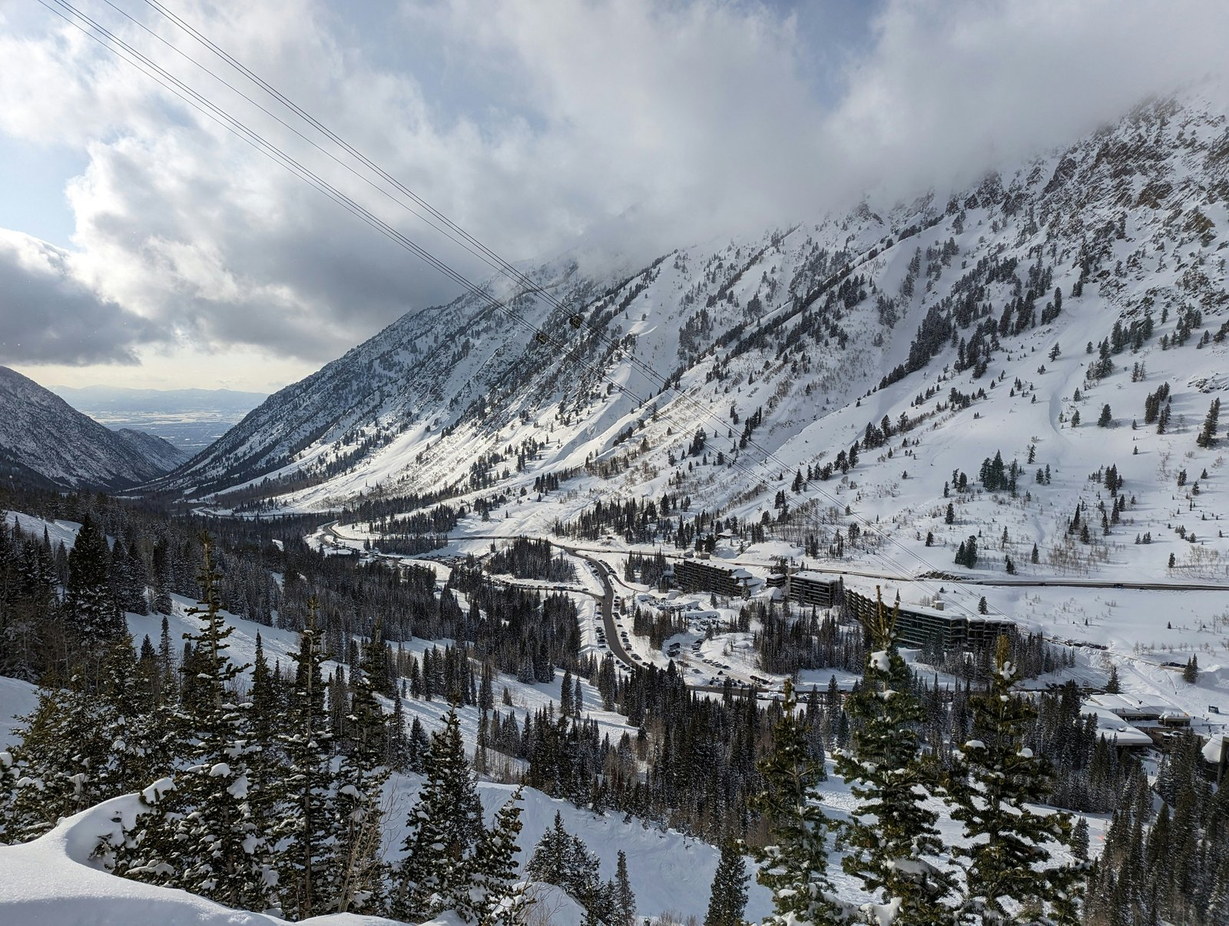
Snowbird and the road through snowy Little Cottonwood Canyon.
Photo: Lance Anderson / Unsplash
Little Cottonwood CanyonBig Cottonwood Canyon
ResortsAlta, SnowbirdSolitude, Brighton
RoadSR-210SR-190
Primary UTA ski route994: Snowbird / Alta972: Solitude / Brighton
Parking realityAlta reservations on peak days; Snowbird currently does not require reservationsSolitude and Brighton use peak-day reservations
Biggest wildcardSnow, avalanche work, closures, traffic and parkingSnow, traffic and parking capacity

UDOT maintains Cottonwood Canyons road-status information for both roads, including closures and traction restrictions. Check it before leaving the hotel, not after you're sitting at the canyon mouth.

THE SKI BUS IS EASIER THAN IT SOUNDS

The ski bus is easier than it sounds

UTA's basic Cottonwood ski system is straightforward.

Route 972 serves Solitude and Brighton in Big Cottonwood Canyon.

Route 994 serves Snowbird and Alta in Little Cottonwood Canyon.

UTA has also added seasonal supplemental canyon service when available. For winter 2026/27, UTA currently says seasonal ski service is planned to begin December 6, 2026, with final winter details coming later in the fall. Plan on the system returning, but do not build a December vacation around last year's exact departure times.

The regular UTA ski-bus fare is currently $5 each way, and transportation is included with a number of resort passes and products, including qualifying Ikon Pass access. Check the pass already sitting in your pocket before paying another fare.

Where you catch it matters

For Big Cottonwood, Route 972 connects from the valley toward Solitude and Brighton.

For Little Cottonwood, Route 994 connects from the valley toward Snowbird and Alta.

The exact stop that works best depends on where you stay, which is why lodging and transportation planning should happen together.

If you intend to rely heavily on the bus, choose the bus access before you choose the hotel.

Ignore old advice about Cottonwood Connect

If an older travel page tells you to make a Cottonwood Connect reservation, stop looking for the booking page. That service has been discontinued.

That's exactly the kind of stale ski-trip advice that can waste an hour the night before you ski.

THE BUS DOES NOT BEAT TRAFFIC

The bus does not beat traffic

A UTA bus still travels up the same canyon.

If Little Cottonwood is closed for avalanche mitigation, the bus waits too. If traffic is crawling down canyon after skiing, the bus is sitting in that traffic with everyone else.

The advantage is not that the bus escapes the canyon. It is that somebody else is driving through it.

You also remove the parking gamble and the need to prove that your rental car is appropriately equipped when traction restrictions are active.

There is a tradeoff. On busy days buses can be crowded, gear comes with you, and a downstream stop is less attractive when buses are already carrying a lot of skiers.

If having a seat matters — especially with children — boarding earlier in the route is a better strategy than planning around a downstream stop.

DRIVING: DON'T CONFUSE “SUV” WITH CANYON-READY

Driving: don't confuse “SUV” with canyon-ready

This may be the most important thing for an out-of-state visitor renting a car.

Do not assume that because the rental counter handed you an SUV, you are ready for the Cottonwoods.

UDOT can activate traction requirements in Big and Little Cottonwood Canyons during severe winter conditions. When restrictions are active, vehicles need qualifying tires or traction equipment and sufficient tread, and stricter restrictions can also be imposed.

The useful rental-counter questions are not:

Is this an SUV?

They are:

Is it AWD or 4WD? What tires are actually on it? Do those tires meet current Cottonwood Canyon requirements?

Check again when the forecast changes.

UDOT can put restrictions into effect ahead of a storm, and enforcement or turnaround areas can be used near the canyon entrances.

One more practical detail: there are no gas stations in either canyon. Fill up before heading up.

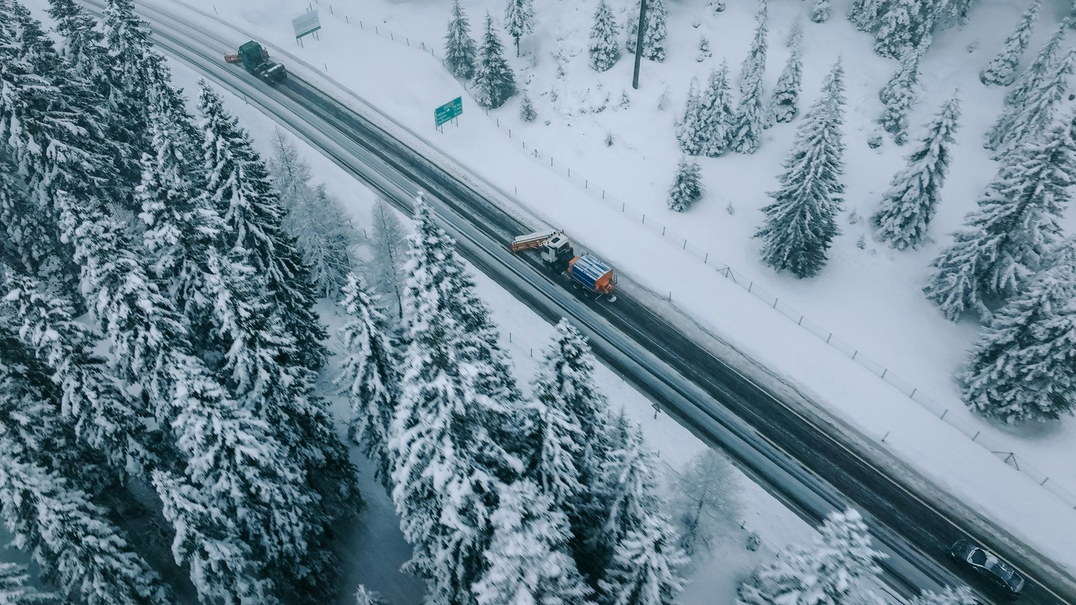
Vehicles traveling on a snow-covered mountain road.

PARKING MAY DECIDE BEFORE YOU DO

Parking may decide before you do

There is no single “Cottonwoods parking policy.”

For 2026/27, the four resorts use materially different systems.

Alta

Alta requires parking reservations on specified peak Fridays, weekends and holidays during the reservation season. If parking isn't available, the ski bus becomes a much more interesting option.

Snowbird

Snowbird is the outlier: it currently does not require general guest parking reservations. Free parking is available first-come, first-served, with paid reserved or preferred options also available. Capacity and canyon traffic can still be the problem.

Brighton

Brighton uses parking reservations on peak Fridays, weekends and specified holidays before its free-parking cutoff later in the day.

Solitude

Solitude also uses peak-day parking reservations, with pricing and occupancy incentives that can materially change the value of driving with a group.

The important point is not memorizing four parking price lists.

Decide where you're skiing before deciding whether “we'll just drive.”

A car can be wonderfully simple at Snowbird on a quiet weekday and a reservation project at Alta, Brighton or Solitude on a peak morning.

POWDER DAY CHANGES THE ANSWER

Powder day changes the answer

A clear Tuesday and a Saturday storm are not the same transportation problem.

On a quiet midweek day, driving can be faster, more comfortable and easier with gear. If you have a compliant car and know where you are parking, there is no prize for taking a bus just because one exists.

Then it snows.

Traffic builds earlier. Parking gets more competitive. Traction restrictions can activate. Little Cottonwood can close temporarily for avalanche control. The same flexibility you rented the car for can turn into an obligation to wake up extremely early and join everyone else making the exact same flexible choice.

A parking reservation is not a canyon reservation.

It secures parking under the resort's rules. It does not guarantee the road will be open when you want it to be.

The bus is not immune either. On the hardest days, everyone in the canyon system is operating inside the same weather.

The difference is that the bus removes the tire, parking and driving decisions from your morning.

WITH KIDS, GEAR CAN CHANGE THE WINNER

With kids, gear can change the winner

This is one place where driving has an obvious advantage.

Putting two adults, two kids, four pairs of skis, poles, helmets, boots and backpacks into your own vehicle can be much easier than moving all of it through a park-and-ride and onto a crowded bus.

On a clear midweek day with secured parking, the car may be the least complicated family option.

But do not stop the calculation there. If the forecast turns, the family car also means getting everyone out earlier, verifying the vehicle meets traction requirements, dealing with canyon traffic, managing parking and driving back down after a full ski day.

The answer can flip with the weather.

If your children are taking lessons, check the resort's current parking treatment when you book. Some lesson products may come with parking accommodations or discounts.

With young kids, transportation certainty is usually worth more than transportation ideology.

INSIDER POV

Solve the valley and the canyon separately.

First-time visitors tend to choose one transportation identity for the whole vacation: we're renting a car or we're doing Utah without one.

That's the wrong level of the decision.

A car can be extremely useful for the airport, supermarket, dinner across the valley and skiing somewhere outside the Cottonwoods — then be exactly the vehicle you don't want to drive up Little Cottonwood during a storm.

Look at tomorrow's weather, road status, traction restrictions, parking requirement, parking availability, resort and family/gear load. Then choose.

Use the car where it buys freedom. Use the bus where the canyon takes that freedom away.

BEFORE YOU GO TO BED

Before you go to bed

For a Cottonwoods ski morning, check these instead of guessing.

UDOT Cottonwood Canyons

Road status, closures, traction restrictions and current canyon information.

UTA Ski Service

Current routes, schedules, fares and service alerts.

As of September 2026, UTA says 2026/27 seasonal service is planned to begin December 6, with final details coming later in the fall.

Your resort's parking page

Alta, Snowbird, Brighton and Solitude do not use the same parking rules.

A reservation made for one mountain tells you nothing about another.

THE BOTTOM LINE

The bottom line

Take the bus when snow, parking or traction-law uncertainty is the biggest problem — especially if you're staying near a useful ski-bus stop and your trip is centered on the Cottonwoods.

Drive when the roads are straightforward, your vehicle is genuinely canyon-ready, your parking plan is settled, or children and gear make private transportation materially easier.

Use both if you're renting a car anyway. For many visitors, that is the best Utah strategy: keep the car for the airport, groceries and trips beyond the Cottonwoods, then hand the canyon driving to UTA when weather or parking makes the ski bus the smarter tool.

The Salt Lake question isn't car or bus. It's which job you want each one to do.